 Reviews


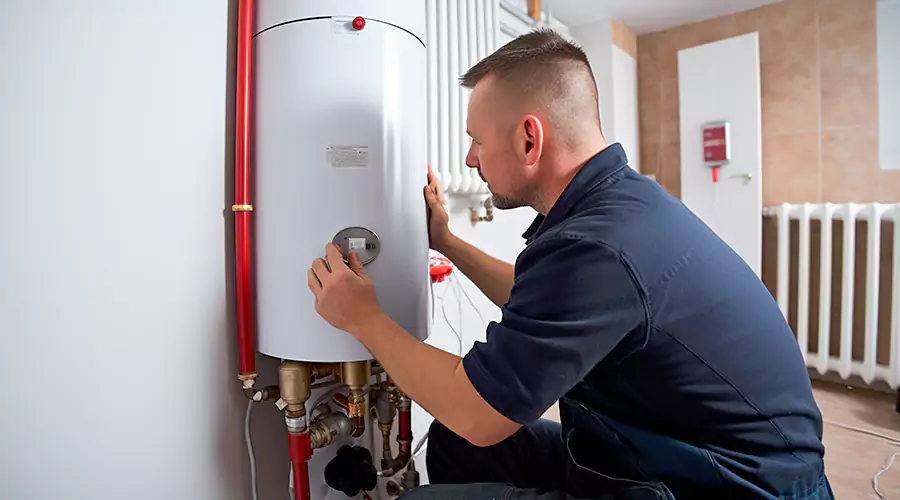
Hot water is considered essential in every home, relied upon for showers, cleaning, and cooking. When the hot water supply is interrupted or inconsistent, frustration is caused, and daily routines are disrupted. Understanding the common water heater issues that reduce hot water system supply can prevent prolonged discomfort and expensive repairs.
Sediment Buildup Slowing Down Heating
Over time, mineral deposits and sediment are accumulated at the bottom of water heater tanks, particularly in areas with hard water. This buildup is caused by continuous heating, allowing minerals such as calcium and magnesium to settle. Heat transfer is slowed, and water heater efficiency is reduced.
Longer waiting times for hot water are often experienced, and availability may be affected. In severe cases, tank damage and leaks are caused by sediment accumulation. Regular maintenance, including annual flushing of the tank, is recommended to avoid sediment-related issues.
Thermostat Problems Causing Inconsistent Temperatures
Water heater thermostats are relied upon to regulate water temperature accurately. When a thermostat malfunctions, hot water supply is disrupted, and water may be overheated or not heated at all. Temperature fluctuations during showers or rapid depletion of hot water are common indicators of thermostat failure.
Recalibration or replacement is often required to restore consistent heating. Water heater issues from thermostat failure are especially common in older units, and routine checks are advised to avoid sudden interruptions.
Heating Elements Failing and Reducing Hot Water
In electric water heaters, heating elements are responsible for warming water in the tank. When one or both elements are burned out or damaged, hot water supply is noticeably reduced. Partial failure can leave water lukewarm, while full failure results in no hot water at all. Mineral buildup on elements often contributes to burnout.
Signs of heating element failure include:
- Water not reaching the set temperature
- Strange humming or popping noises from the tank
- Hot water running out faster than usual
Periodic inspection and replacement of damaged elements are advised, and water softeners can help prevent mineral-related failures.
Pilot Light or Ignition Not Working Properly
For gas water heaters, the pilot light or electronic ignition system is relied upon to start the heating process. When the pilot light goes out or the ignition fails, hot water supply is fully interrupted. Common causes include dirty burners, gas line problems, or thermocouple malfunctions. Flickering flames or inability to ignite often indicate a problem. Repairs are best performed by qualified technicians to ensure safety and restore proper function.
Leaks and Corrosion Draining Your Hot Water
Water heater tanks and connections are prone to leaks, especially in older systems or units exposed to high mineral content. Corrosion, loose fittings, or faulty valves are commonly responsible for leaks, which reduce hot water availability. Steel tanks without proper anode protection are particularly vulnerable. Small leaks are often ignored but can eventually lead to significant water loss and diminished hot water performance.
Areas where leaks are often found include:
- Around the tank base
- At the water inlet and outlet connections
- From the pressure relief valve
Prompt repair of leaks and replacement of corroded components are essential to maintain a reliable hot water system.
Pressure and Temperature Relief Valve Problems
The T&P (temperature and pressure) valve is relied upon to release excess heat or pressure. When this valve malfunctions or becomes blocked, hot water supply can be affected, and system failure may be caused. Mineral deposits, wear, or improper installation are common contributors to valve problems. Draining the tank or replacing the valve often restores proper function. Regular testing of the T&P valve is advised to prevent dangerous pressure buildup and maintain steady hot water supply.
Dip Tube Damage Mixing Cold and Hot Water
The dip tube in a water heater is relied upon to direct incoming cold water to the bottom of the tank for heating. When the dip tube cracks, breaks, or deteriorates, cold water mixes with hot water at the top of the tank, resulting in reduced hot water output and inconsistent temperatures. Plastic dip tubes are especially prone to degradation over time due to heat and water chemistry. In some cases, related supply issues may require professional Water Line Installation to ensure the system delivers water efficiently and supports consistent hot water performance.
Tank Size Too Small for Household Needs
Sometimes hot water shortages are caused not by mechanical failure but by insufficient tank capacity. Small tanks cannot meet the demand during multiple showers or heavy water usage periods. Oversized units are avoided due to energy inefficiency, but undersized tanks leave hot water supply inconsistent.
Indicators of an undersized tank include:
- Hot water running out quickly during consecutive uses
- Water temperature dropping when several fixtures are used simultaneously
- Longer wait times for hot water in showers or appliances
A larger tank or additional point-of-use system may be considered to meet household demand.
Pipe and Water Flow Problems Reducing Hot Water
Even when the water heater functions correctly, hot water supply can be affected by plumbing issues. Clogged pipes, scale buildup, or low water pressure reduce the delivery of hot water to faucets and showers. Pipe corrosion or mineral deposits in older plumbing can make it appear that the water heater is failing. Regular inspection and cleaning of pipes are advised to maintain proper flow.
Common flow-related signs include:
- Slow water flow from multiple fixtures
- Sudden drops in water temperature during use
- Noisy pipes or vibrations when hot water is drawn
Regular Maintenance Preventing Unexpected Failures
Water heater problems can be minimized through preventive care. Sediment removal, inspection of thermostats and heating elements, leak detection, and T&P valve testing are all practices that prolong system life and maintain consistent hot water supply. Awareness of water quality and adherence to installation guidelines further reduce the risk of common issues. Scheduled professional servicing ensures that hot water system supply remains reliable.
Warning Signs Requiring Immediate Attention
Certain signs indicate urgent water heater attention. Continuous leaks, loud noises, inconsistent temperatures, and unusually fast depletion of hot water signal that system failure may be imminent. Delays in repair often result in more extensive damage and higher costs. Early recognition and timely intervention restore hot water supply quickly and safely.
Final Thoughts
Maintaining a consistent hot water supply is made easier when common water heater issues are understood and addressed promptly. Regular inspections, preventive maintenance, and timely repairs are recommended to prevent disruptions and extend the lifespan of the system. By being aware of warning signs such as leaks, temperature fluctuations, or unusual noises, homeowners can ensure that their hot water system supply remains reliable and efficient. With proper care, the comfort and convenience of a steady hot water flow can be enjoyed without unexpected interruptions.
Frequently Asked Questions
What causes my water heater to run out of hot water quickly?
Sediment buildup, small tank size, or heating element failure is often responsible for hot water running out faster than expected.
Why is my water heater making popping or rumbling noises?
Mineral deposits at the bottom of the tank are usually causing popping sounds and reducing heating efficiency.
How can I tell if my water heater thermostat is failing?
Inconsistent water temperature or overheated water is often noticed when a thermostat is malfunctioning.
Why is cold water mixing with my hot water?
A cracked or damaged dip tube allows cold water to mix at the top of the tank, reducing hot water output.
When should a leaking water heater be replaced?
If leaks are continuous or corrosion is widespread, the tank is usually considered unsafe and replacement is recommended.